
Industry Growth & Market Development
Building confidence and providing practical information to expand canola acres and market infrastructure across the Pacific Northwest.
-
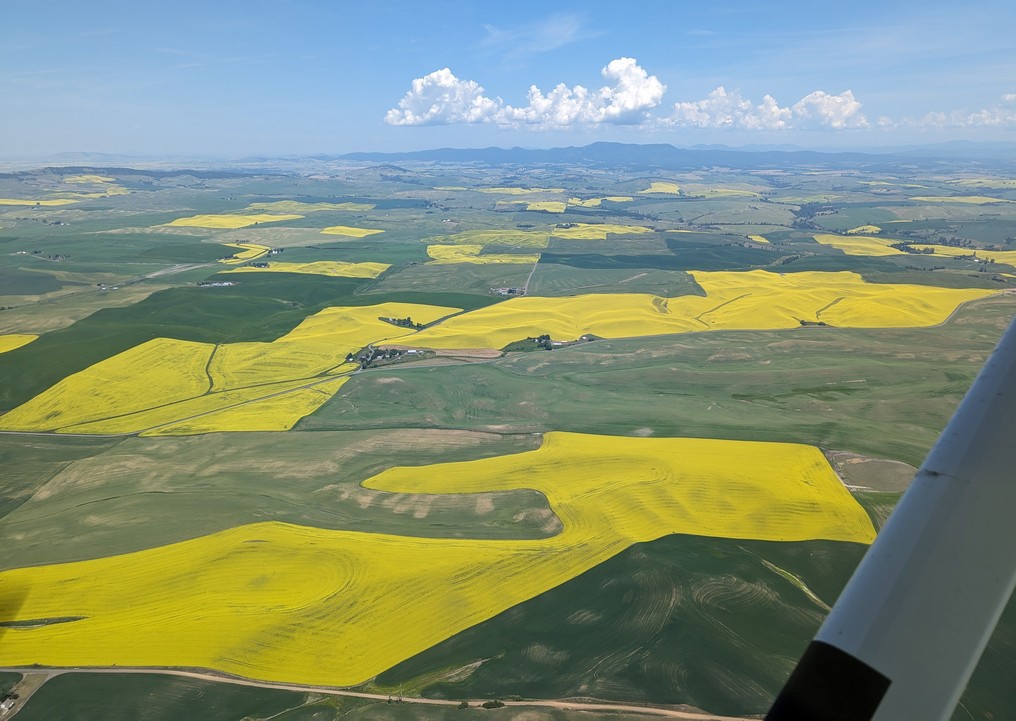
PNW canola acreage has more than tripled since 2016
The USDA estimates 2026 acreage in the 4-state region at 460,000, compared to 109,000 acres in 2016.
-
Industry member directory connecting growers with buyers, suppliers, and lenders
The PNWCA member network gives growers direct access to crop buyers, seed companies, financial services, and agronomists operating in the PNW.
-
Seed oil misinformation addressed with science-based resources
PNWCA actively provides growers and consumers with peer-reviewed information countering anti-canola oil claims circulating online.
Grower Education & Outreach
Delivering timely agronomic knowledge through events, publications, and direct grower engagement.
-
Annual workshops consistently draw record attendance
Growers, researchers, and industry partners gather each year for , agronomic presentations, research and market updates, policy briefings, and board elections.
-
Collaborative field tours and Shop Talks
We often partner with other commodity grower groups, industry members, and universities to promote a regional, cropping systems approach with a focus on canola.
-
Workshop presentations published in the Research Library
Slide decks and materials from PNWCA workshops are archived and available to all members year-round.
-
Canola combine setup video — 4,600+ views on YouTube
Practical harvest education content produced by PNWCA continues to reach growers beyond the membership.
Crop Insurance Advocacy
Improving federal coverage access and staying engaged with regional RMA offices on behalf of PNW canola producers.
-
Winter canola sales closing date aligned with winter wheat (2026 crop year)
Growers can now elect crop insurance coverage and report production for both crops in a single FSA office visit instead of what previously required two separate trips.
-
Final Planting Date (FPD) changes
PNWCA gathers input from canola growers every three years for FPD review. In 2024, that input was shared with the Spokane and Billings RMA offices, resulting in changing the FPD for spring canola in a dozen counties in ID, OR, and WA, and statewide in MT.
-
Canola coverage options expanded for 2025 crop year
Association input during USDA RMA comment periods contributed to updated coverage terms, payment triggers, and premium rates benefiting PNW producers.
Canola Research
Supporting and coordinating agronomic research that helps PNW growers make better variety and management decisions.
-
On-farm trials developed by PNWCA research committee
PNWCA members design field-scale research protocols that growers can implement on their own farms to answer production questions unique to PNW growing conditions.
-
Annual variety trial results published for all four PNW states
Spring and winter canola performance data from WSU, University of Idaho, Montana State, and Oregon State, and industry — freely available in the Research Library every season.
-
Active participation with ID and WA Oilseed Commissions and universities
PNWCA board members attend all Commission meetings, provides input on research proposals, and invite faculty and students conducting canola research to share results at all PNWCA education events.
Washington Oilseeds Commission Funding Partnership
Securing a recurring, checkoff-funded revenue stream that sustains PNWCA education and outreach programs year over year.
-
Separate organizations, shared mission
The Washington Oilseeds Commission and PNWCA maintain independent operations but coordinate on research priorities and outreach to maximize impact for PNW canola producers.
-
Percentage of annual per-pound checkoff now directed to PNWCA
The Washington Oilseeds Commission — which collects a per-pound assessment from canola grown in Washington — formally agreed to direct a portion of those funds to the PNW Canola Association each year.
-
Recurring funding for grower-focused programs
Unlike one-time grants, this partnership provides a predictable annual revenue stream for education and outreach highlighting checkoff funded research across the region.
Policy & Federal Advocacy
Representing PNW canola growers and industry in Washington D.C. and at the state level on trade, Farm Bill, and regulatory priorities.
-
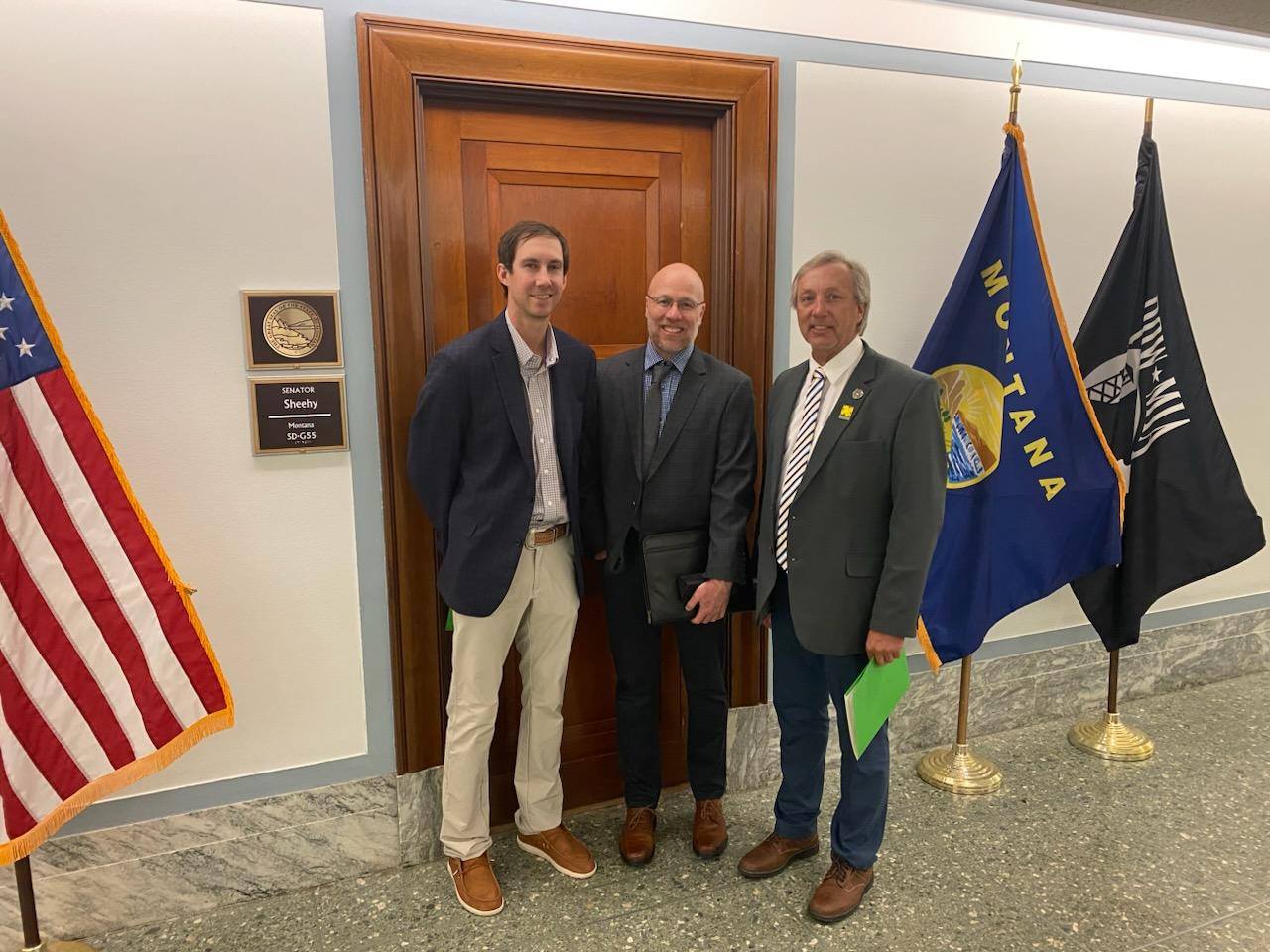
Annual D.C. lobby days — Congressional meetings
Board members and producer members attend the annual USCA meeting, and speak directly with U.S. legislators on issues affecting PNW canola.
-
Participation in federal comment periods and university research proposals
PNWCA submits formal comments on USDA RMA rulemakings, Farm Bill provisions, and other regulatory matters affecting canola producers. We write letters of support for university federal research grant proposals addressing regional canola production.
-
Coordination with U.S. Canola Association
The association aligns PNW grower priorities with broader U.S. canola policy positions to amplify regional influence.
This Progress is Funded by PNWCA Membership
The policy wins, educational programs, and industry partnerships on this page exist because growers and industry partners across Idaho, Montana, Oregon, and Washington chose to invest in collective action.
The industry only works when the people who benefit from it show up. Join the PNW Canola Association today!
Latest Canola Industry News
Aug 14, 2026
In the rule USDA cites the change to include “spring canola” as an eligible feedstock in response to comments by USCA and other organizations/individuals.
Aug 14, 2026
USDA in Montana reminds agricultural producers of important Farm Service Agency (FSA) program dates; most major crops are due July 15.
Aug 14, 2026
Supporters say canola is a drought-resilient crop that will help their rotation and economics, while grass seed growers and other agricultural groups are concerned about coexistence.
Aug 14, 2026
Early planting can improve yield potential, but growers should balance frost, drought, and pest risks when making seeding decisions.
Aug 14, 2026
Expanding renewable fuel production can help Washington meet its climate goals while creating stronger markets for farmers by increasing demand for oilseed crops like canola as a low-carbon feedstock.