
Watch this video to learn more about the production process.
The Canola Oil Production Process From a seed in the ground to the oil in your pantry
-
Step 1 — Planting
Planting Canola Seed
Each spring and fall, canola growers across Idaho, Montana, Oregon, and Washington plant tiny canola seeds — about the size of a poppyseed — using precision drill or planter. With good soil moisture, canola seedlings can emerge within a week.
More than 400,000 acres of canola are planted across the four-state region each year.
-
Step 2 — Growing
How Canola Grows: A Season in the Field
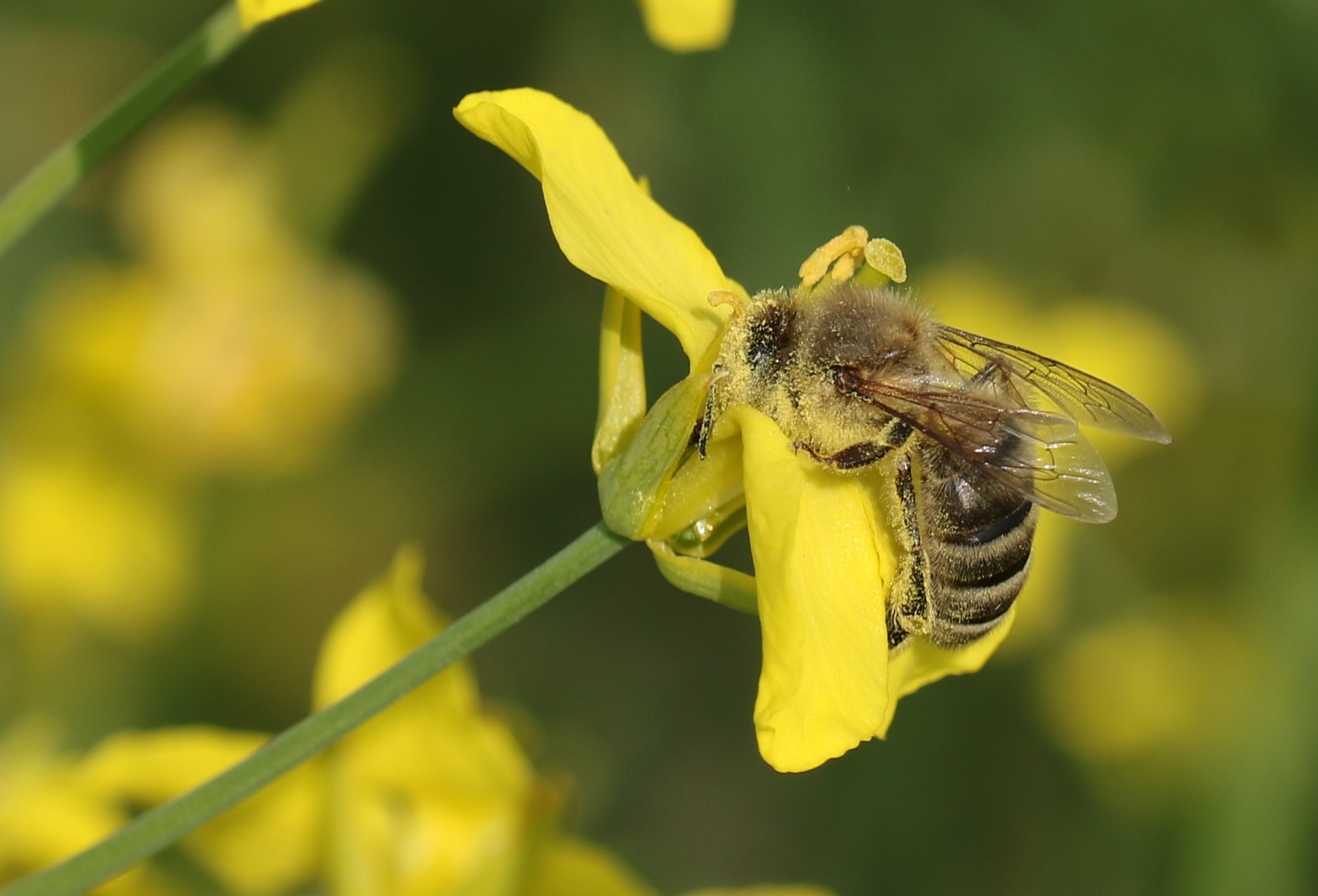
Over several months, canola plants grow 3–5 feet tall and burst into the bright yellow flowers you may have seen from the highway. During bloom, canola fields are a major food source for honeybees and native pollinators — one of the reasons PNW farmers value this crop beyond its seed.
Flowering typically lasts 3-6 weeks and is one of the largest pollinator events on PNW farmland.
-
Step 3 — Harvesting
Harvesting Canola: When and How the Crop Is Cut
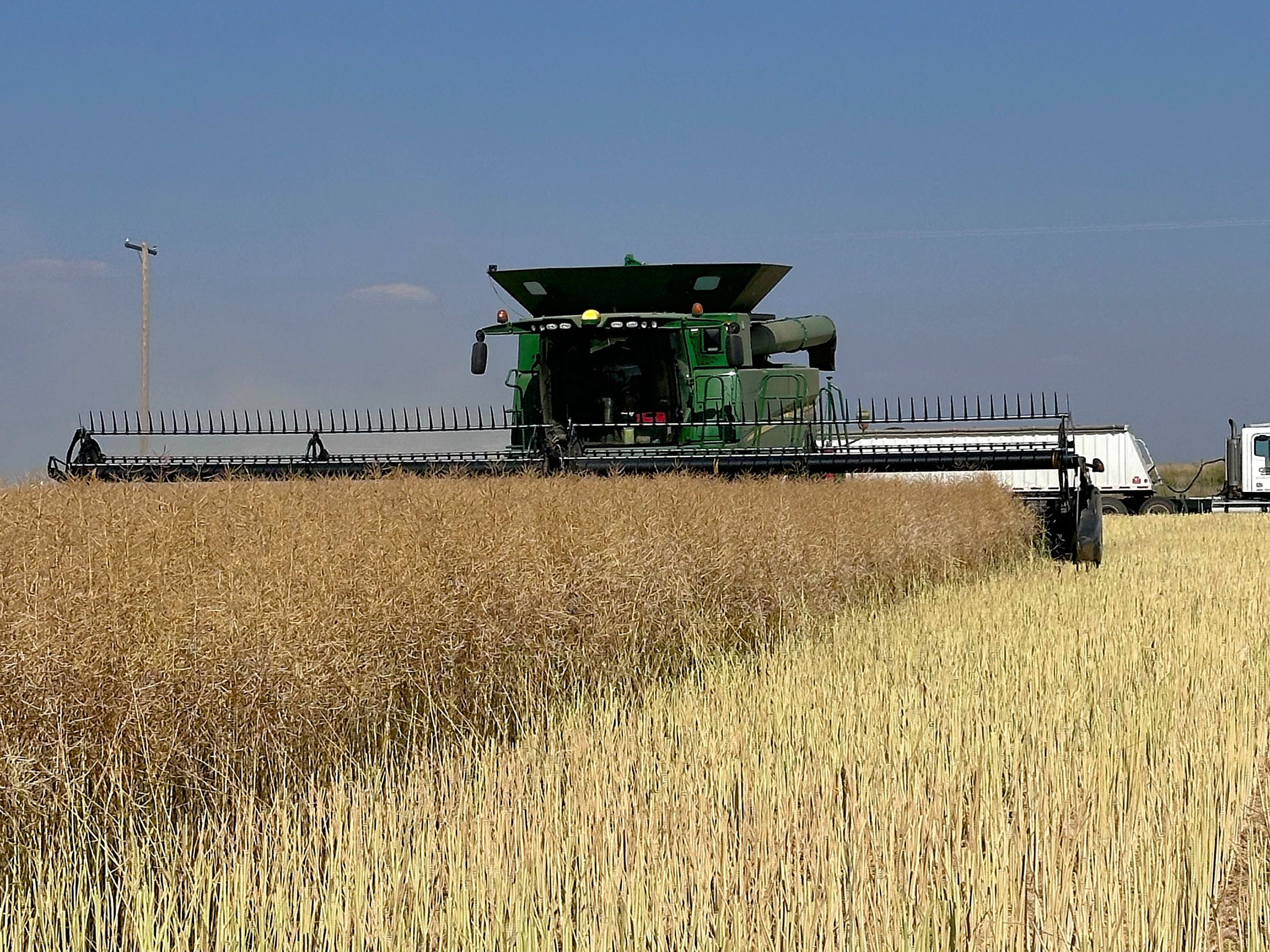
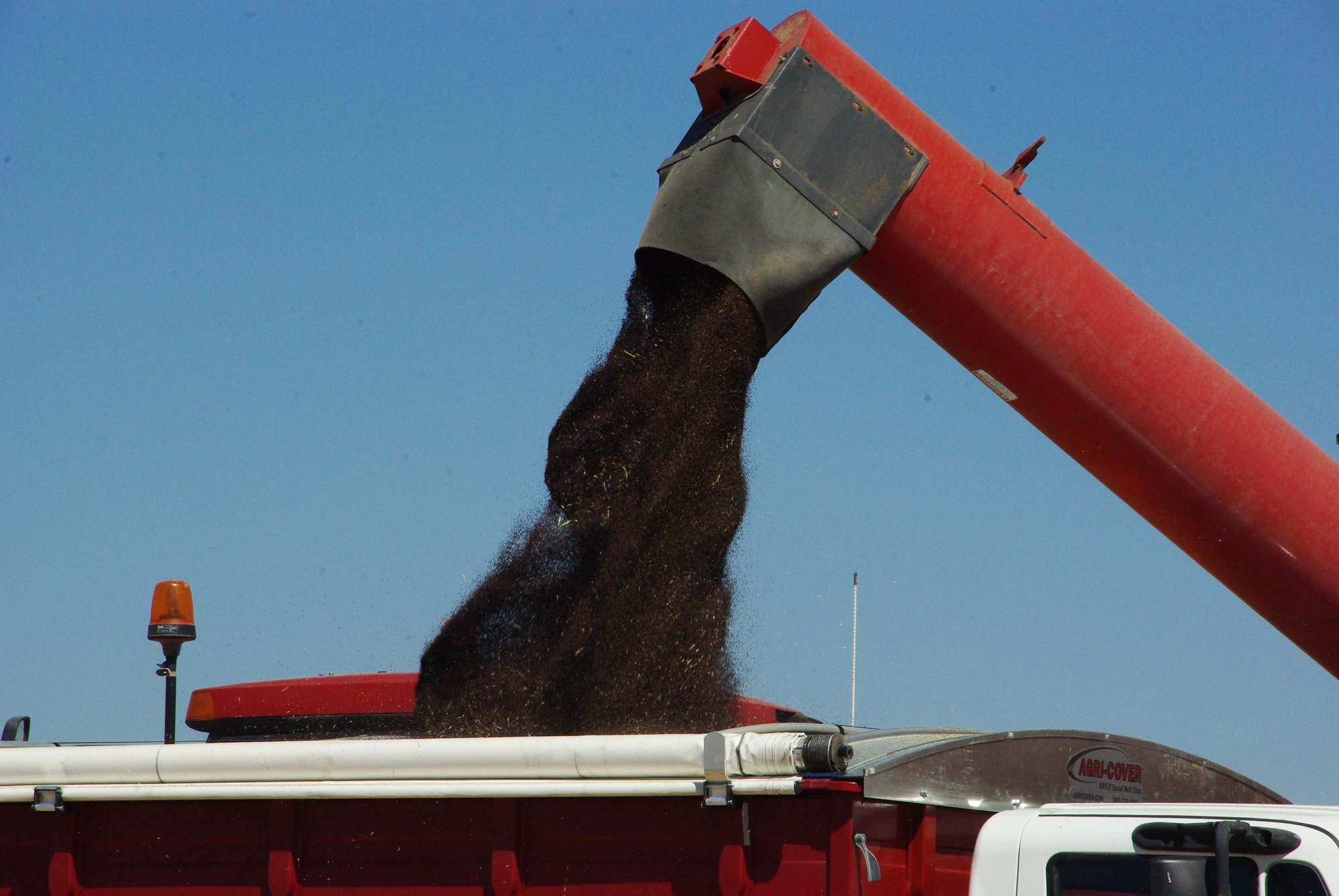
When the seed pods turn brown and dry in mid to late summer, growers either swath the crop into windrows to dry, or straight-cut harvest directly with a combine. The combine separates the tiny black seeds from the plant material, and the seed is dried and stored.
PNW farms produce more than 600,000,000 pounds of canola seed per year.
-
Step 4 — Crushing
Crushing Canola Seeds to Extract the Oil
At expeller press processing facilities, canola seeds are cleaned, then mechanically pressed — or 'crushed' — to extract the oil. This step uses physical pressure, not chemicals, to squeeze the oil out of the seed. The remaining solid material becomes canola meal, a high-protein livestock feed.
Canola seed is roughly 40–45% oil by weight — one of the highest oil-content crops grown in North America.
-
Step 5 — Refining
How Canola Oil Is Refined — and Why
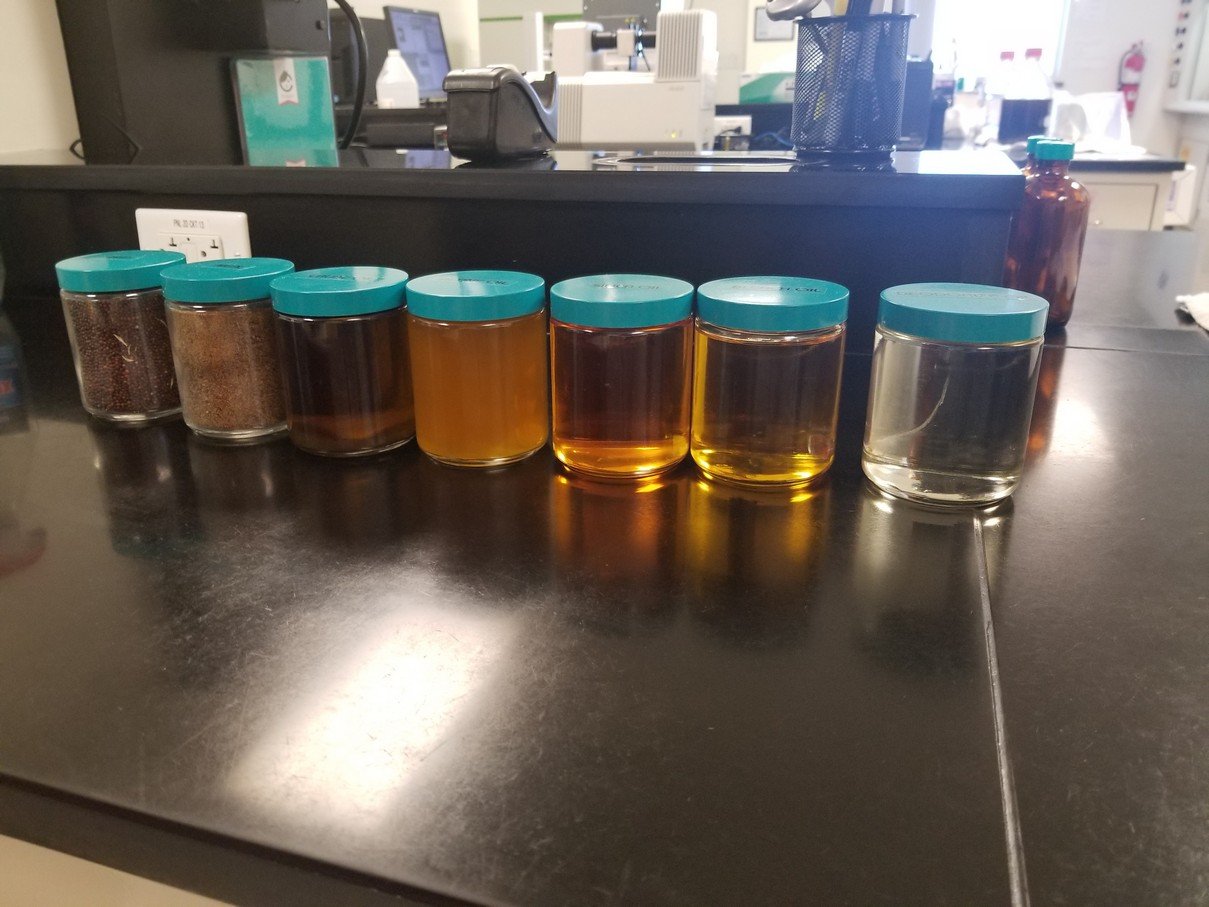
After crushing, the crude oil goes through refining — a process that removes naturally occurring impurities like waxes, phospholipids, and free fatty acids that would make the oil go rancid quickly or taste bitter. The steps include degumming, neutralizing, bleaching, and deodorizing to remove naturally occurring components. None of these steps add anything to the oil — they're removing things.
Is canola oil heavily processed? Refining removes impurities to make the oil stable, neutral, and shelf-safe. Olive oil goes through similar refining steps for its 'light' and 'pure' varieties.
-
Step 6 — Bottling
From Pacific Northwest Fields to Grocery Store Shelves
The refined canola oil is tested for quality, then bottled or packaged in bulk for food manufacturers, restaurants, and consumers. Oil grown in the Pacific Northwest can end up in grocery stores across the country — and in export markets around the world.
Where does canola oil come from? The bottle on your shelf may have started as a seed in the field of a farmer in the Pacific Northwest.



Is Canola Oil Heavily Processed?
Refining canola oil is a cleaning process, not an additive one. Crude oil straight from the press is dark, smells grassy, and would go rancid within weeks. The refining steps — degumming, neutralizing, bleaching, deodorizing — each strip out something naturally present in the oil that you don't want in food: gums, waxes, free fatty acids, pigments, off-flavors. Nothing synthetic goes in.
Most cooking oils go through the same process. Butter is churned and separated. "Light" and "pure" olive oils are refined too. Canola sits in the middle of that spectrum, more refined than extra virgin olive oil, far less than margarine.
If you prefer less processing, expeller-pressed or cold-pressed canola oil are available at specialty markets. Hexane extraction is more efficient so the oil can be priced lower. Both processing facilities in the PNW are expeller-press.